Hydrochloric Acid
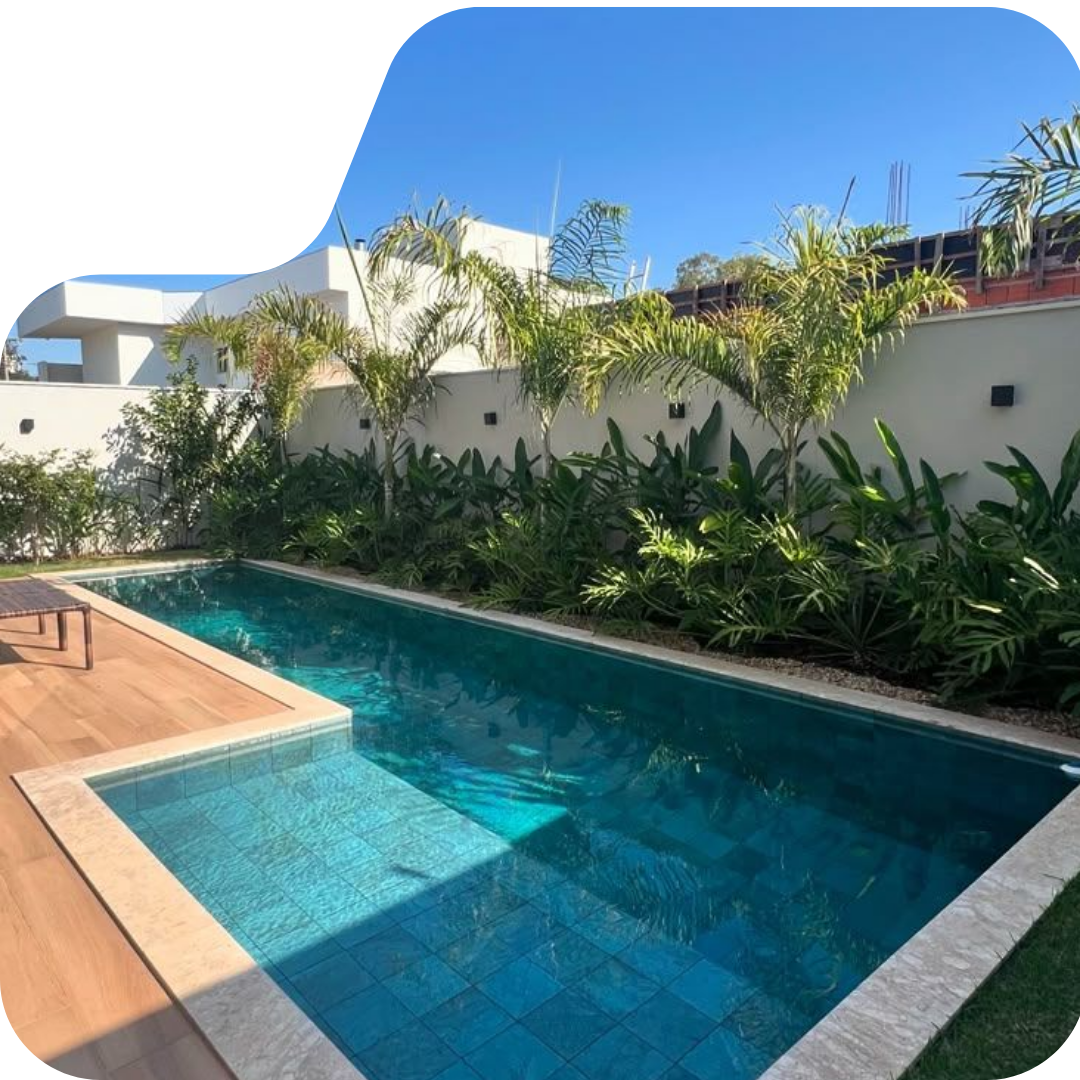
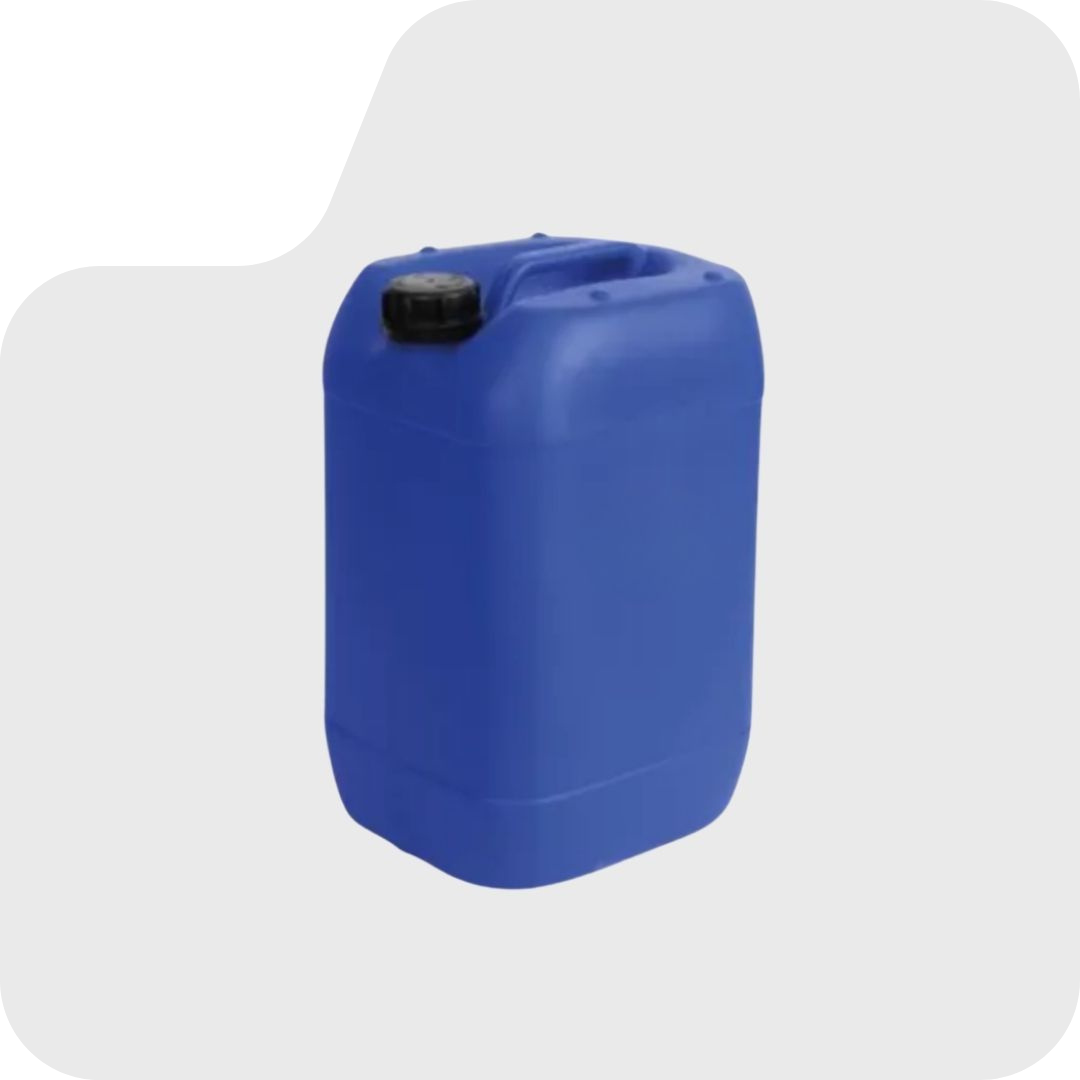
Hydrochloric Acid (HCl), also commonly referred to as muriatic acid in its diluted commercial form, is a powerful and fast-acting pH reducer and descaling agent extensively used in swimming pool maintenance, water treatment, and industrial cleaning applications. This highly reactive inorganic acid effectively lowers elevated pH and alkalinity levels in pool water, helping to restore balanced chemistry, optimize sanitizer efficiency, and prevent scale formation on pool surfaces, tiles, and equipment.
Its strong acidic properties make it highly effective for dissolving and removing stubborn calcium deposits, rust stains, and mineral scale from concrete, plaster, tile, and filtration system components. Regular and controlled use of hydrochloric acid helps maintain water within the ideal pH range (7.2–7.6), which is critical for ensuring swimmer comfort, maximizing chlorine effectiveness, and preventing corrosion or cloudiness caused by imbalanced water chemistry.
Hydrochloric Acid is widely used in residential, commercial, and public swimming pools, as well as in industrial cleaning, metal treatment, and water purification processes. It is compatible with all common pool types, including concrete, fiberglass, and vinyl liner pools, but must be handled with extreme care due to its corrosive nature and potential to release hazardous fumes.
Designed for precise and safe application, this acid should always be diluted by adding it slowly to a large volume of water—never the reverse—and applied with appropriate personal protective equipment, including acid-resistant gloves, goggles, and ventilation. It is typically poured slowly into the deep end of the pool with the pump running to ensure even distribution and prevent localized damage to the pool surface.